- Curating timing, gas and error-code traces as LeakDetect AI training data
- Privacy-preserving log packaging on IPFS with IPLD content addressing
- Threat taxonomy for observability-derived leakage in Ethereum clients

A community-led security research and education initiative focused on understanding and measuring security, privacy and communication risks across the Ethereum stack, from wallets, dApps, agents and tooling to Ethereum's underlying P2P networking infrastructure.
LeakDetect AI is supported through the EF DAO Fund via Giveth, has been invited to the 1 Trillion Security initiative of Ethereum, and is supported by Wintermute, with advice and technical input from members of the libp2p, IPFS and Filecoin communities.
Rather than treating smart contracts, wallets, agents and P2P networks as isolated layers, the hub demonstrates how information can leak or attacks can propagate across these layers, and how measurement, secure communication protocols and resilient infrastructure reduce these risks.
LeakDetect AI is the continuous research and measurement thread across all four days, connecting individual sessions into one broader investigation of Ethereum's attack surface.
Establishes a common security framework for thinking about Ethereum beyond smart contracts.
Can we trust the communication channels through which wallets, agents, dApps and developer tools exchange security-sensitive information?
The security layer that is often invisible to application developers: Ethereum's underlying P2P networking infrastructure.
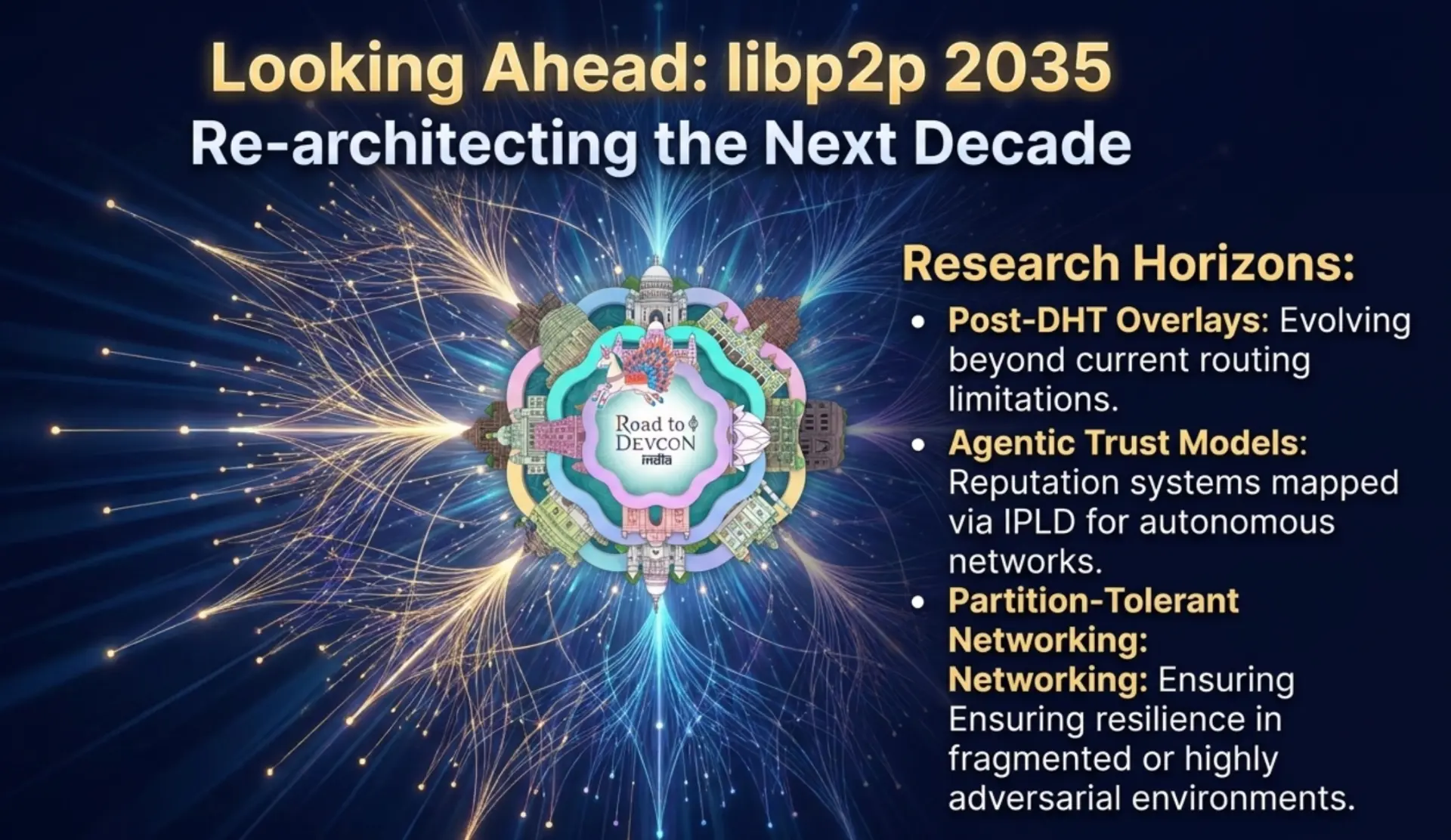
How should Ethereum's networking layer evolve for a post-quantum future?
User ↓ Wallet ↓ dApp / Agent ↓ RPC / API ↓ Ethereum L1 / L2 ↓ libp2p / P2P Network ↓ Peers / Relays / Observers
| Day | Theme | LeakDetect AI focus | Practical output |
|---|---|---|---|
| Day 1 | Privacy & Cross-Layer Threat Modeling | Zcash/Tornado Cash datasets, metadata leakage, threat modelling | Cross-layer threat models |
| Day 2 | Secure Wallet & Agent Communication | Communication-channel leakage and authentication | Secure communication models |
| Day 3 | P2P Resilience | Luminar, Sybil, eclipse and partition detection | P2P measurement experiments |
| Day 4 | Post-Quantum Ethereum | PQ signatures, PKIX, L1/L2 and PQ light clients | PQ networking research roadmap |
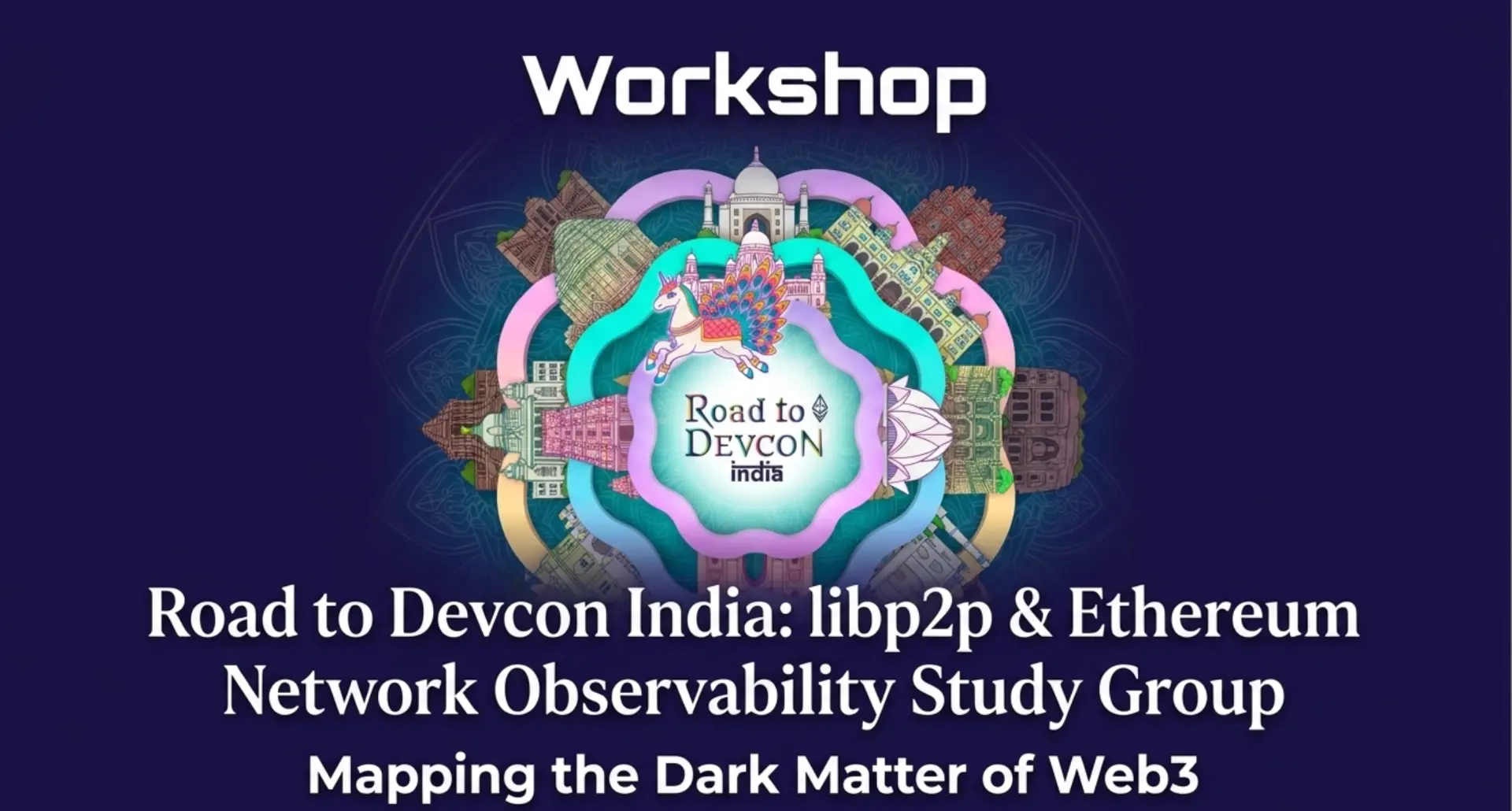
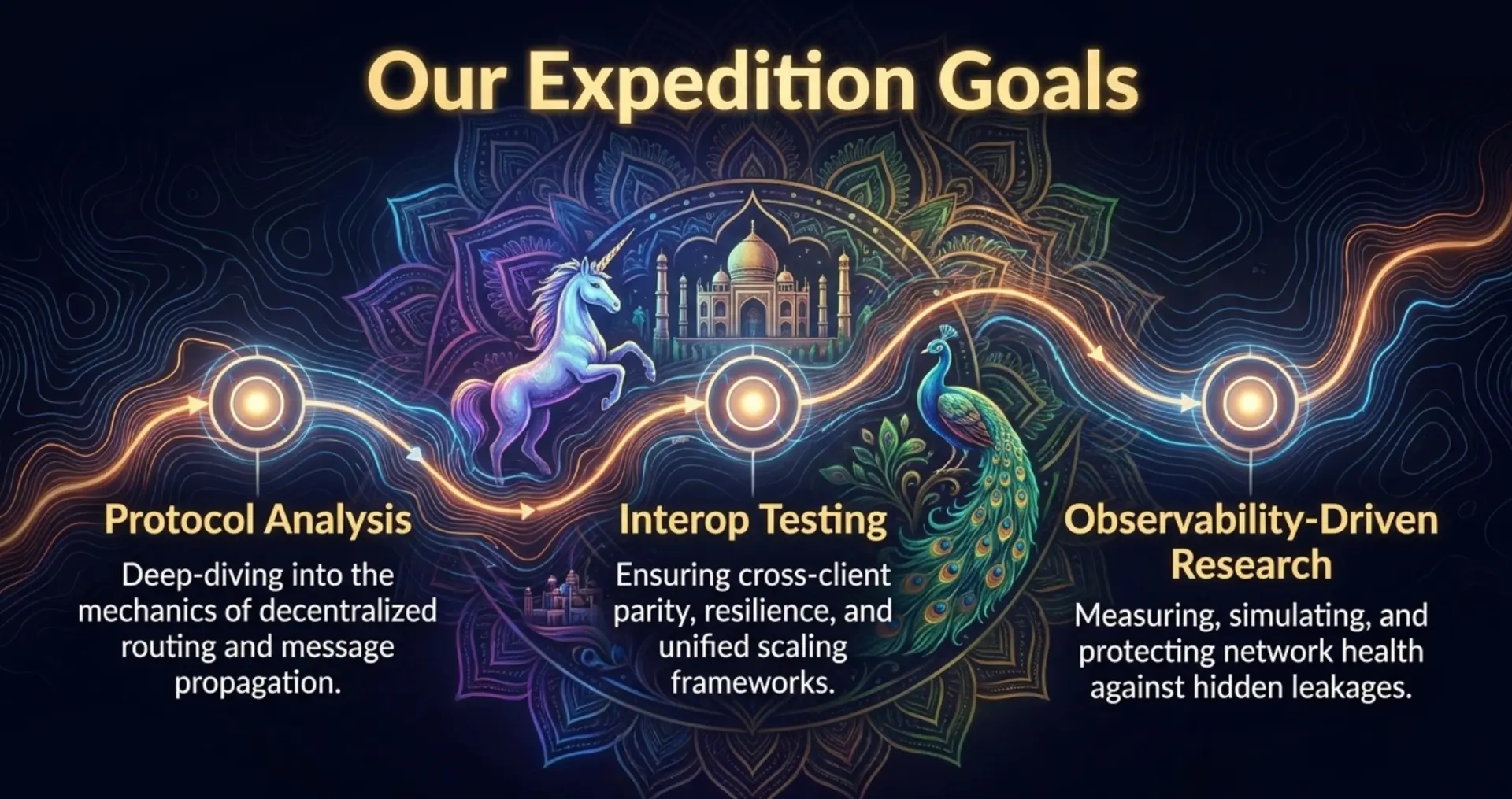
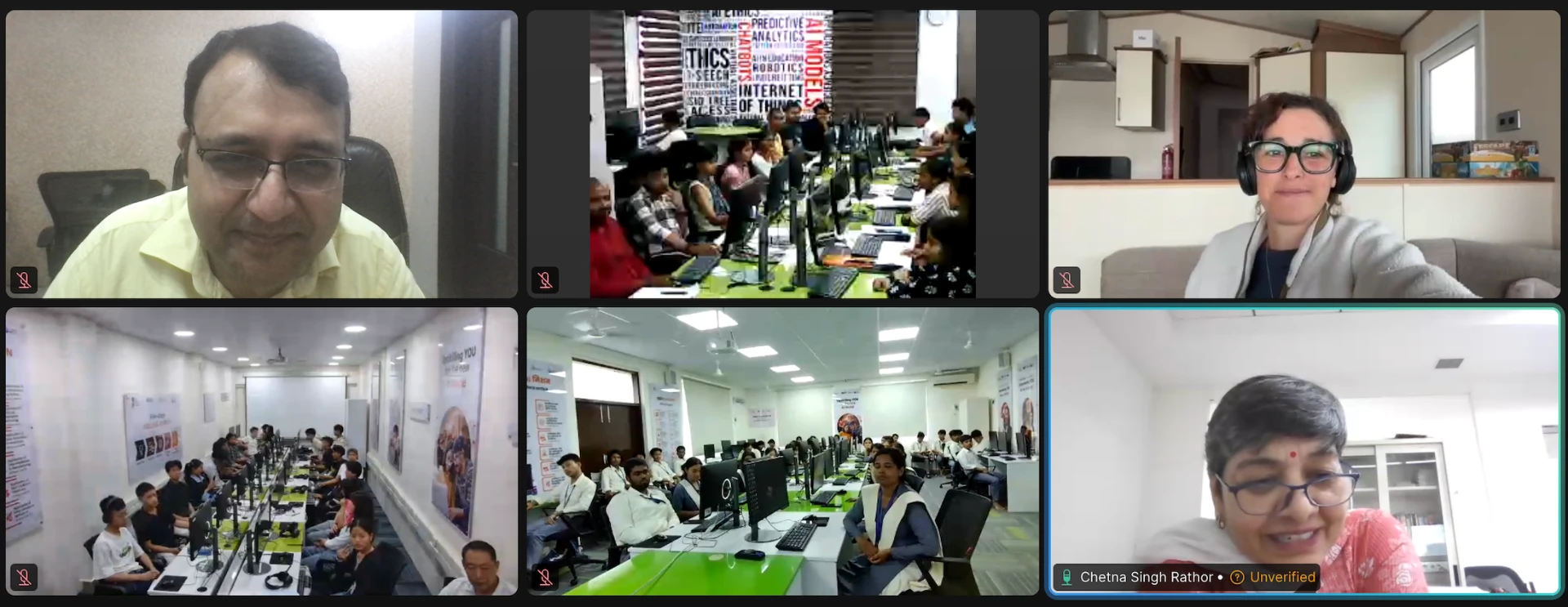
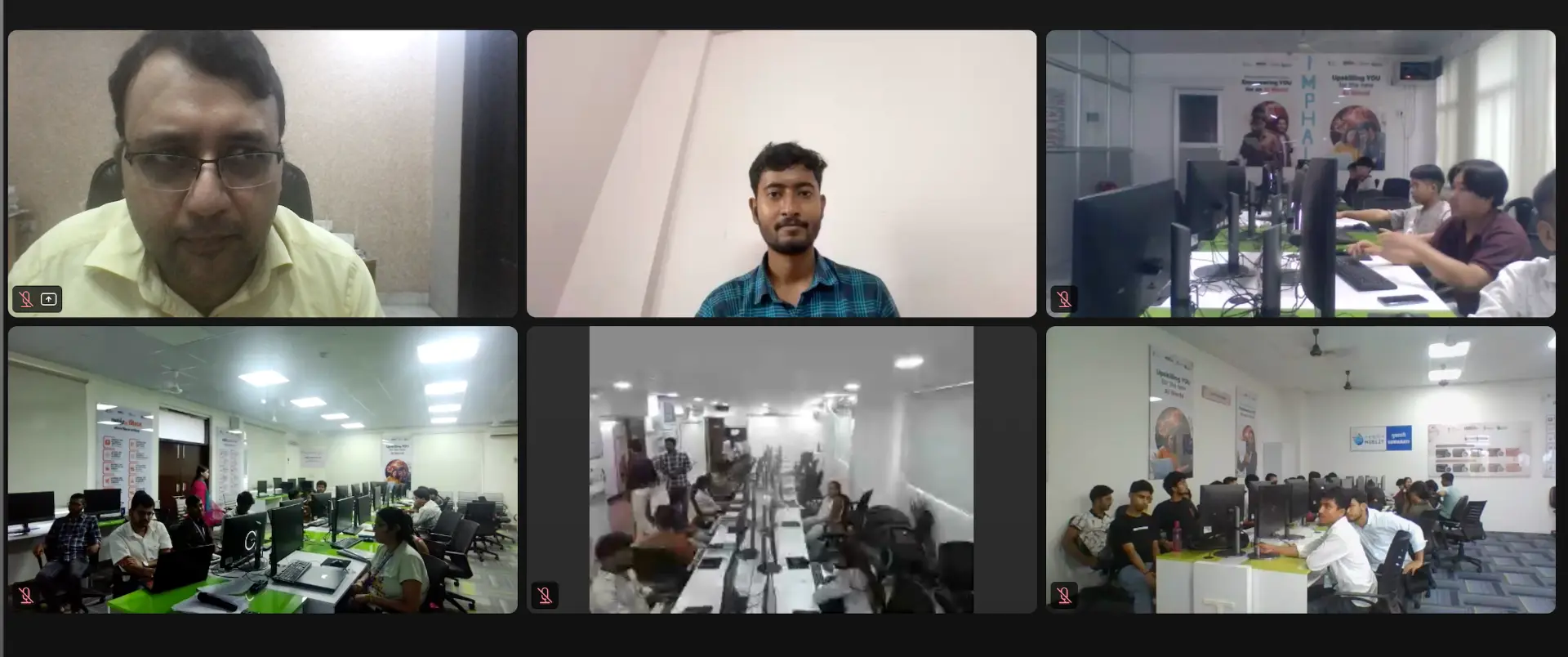
Two community workshops delivered across 29 centers with roughly 750 attendees, covering protocol analysis, interop testing and observability-driven research.


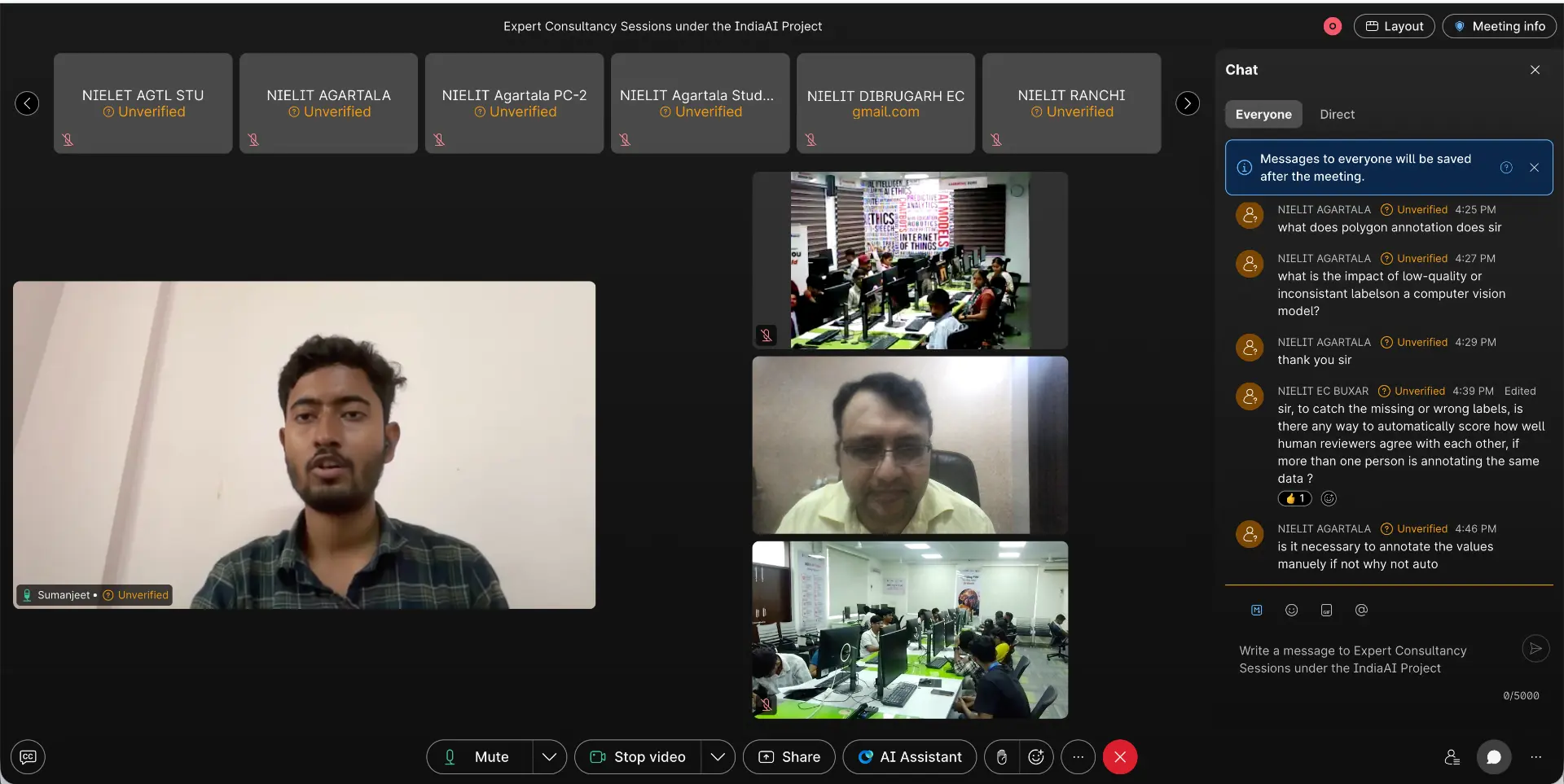
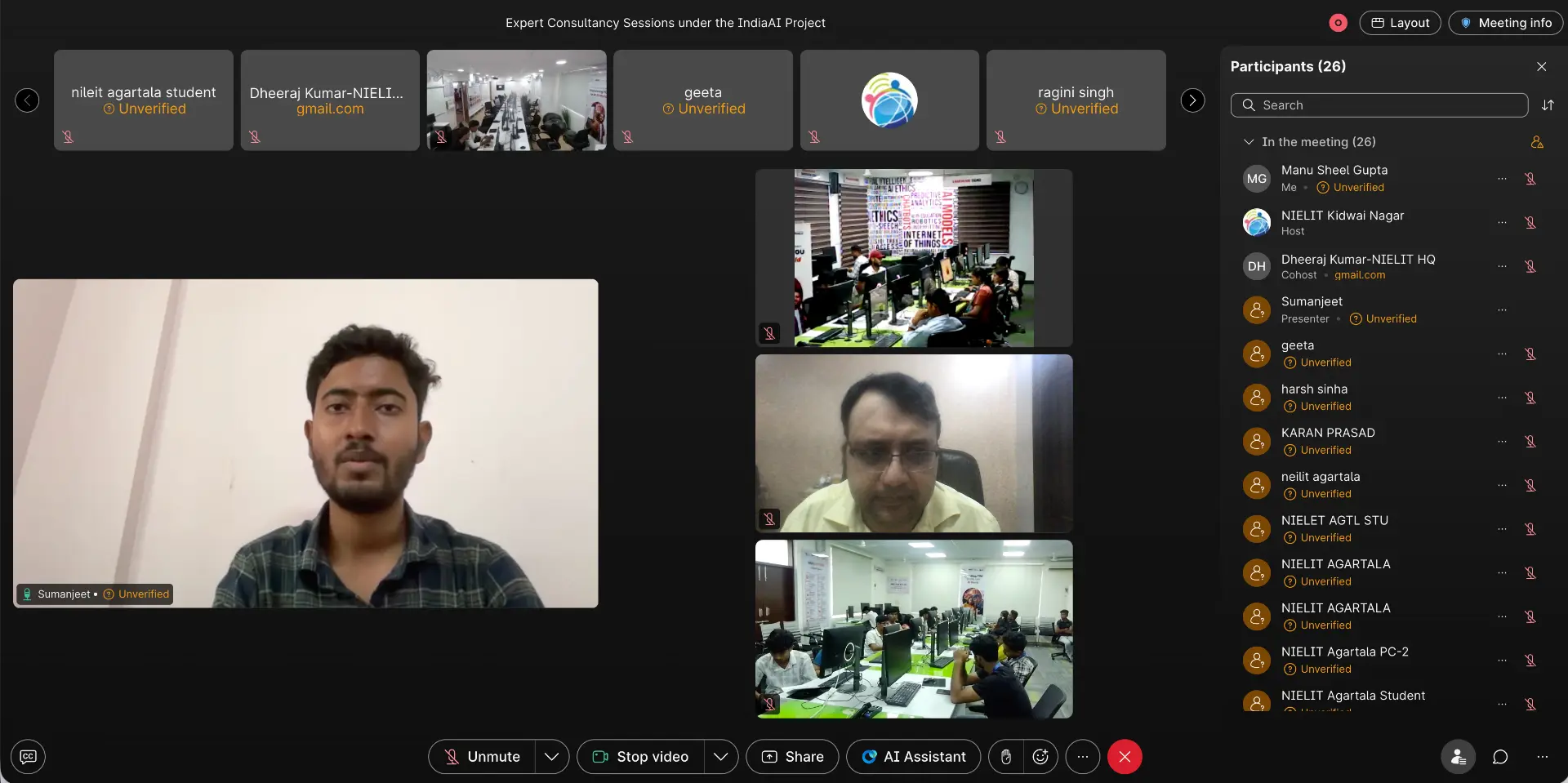
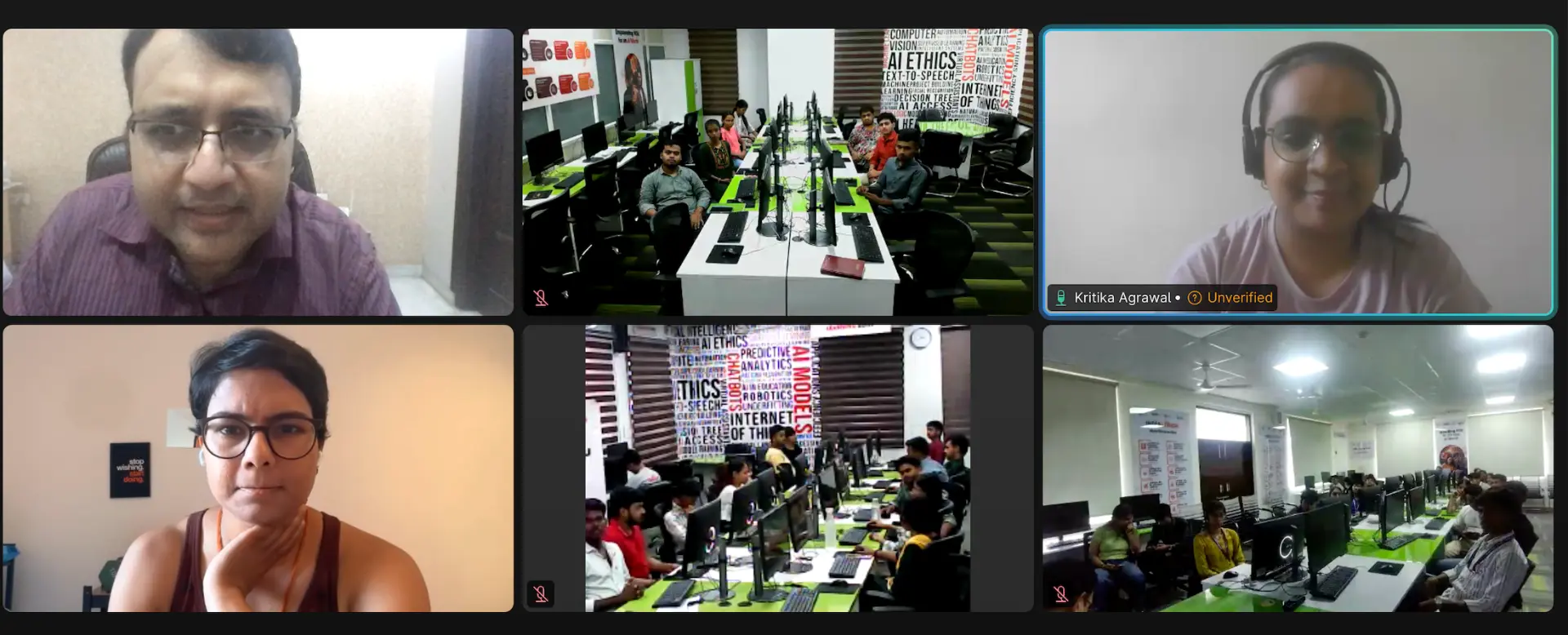
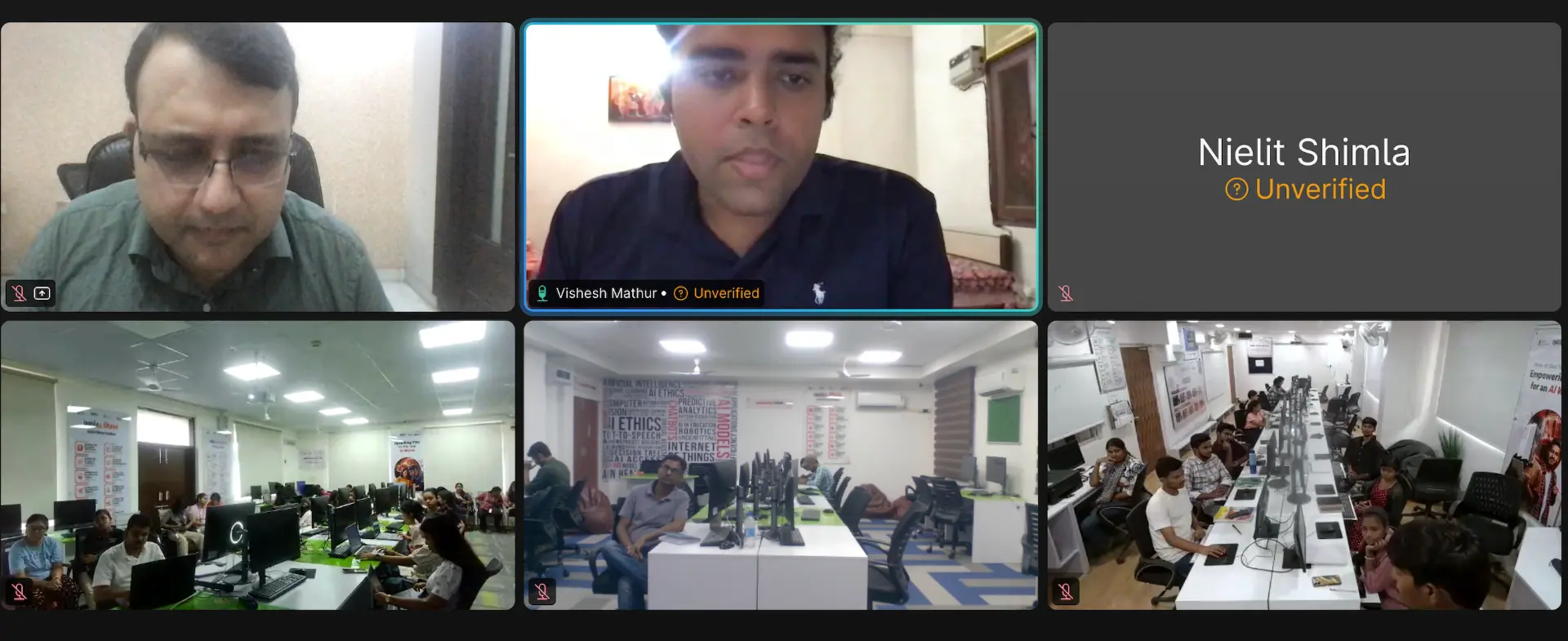
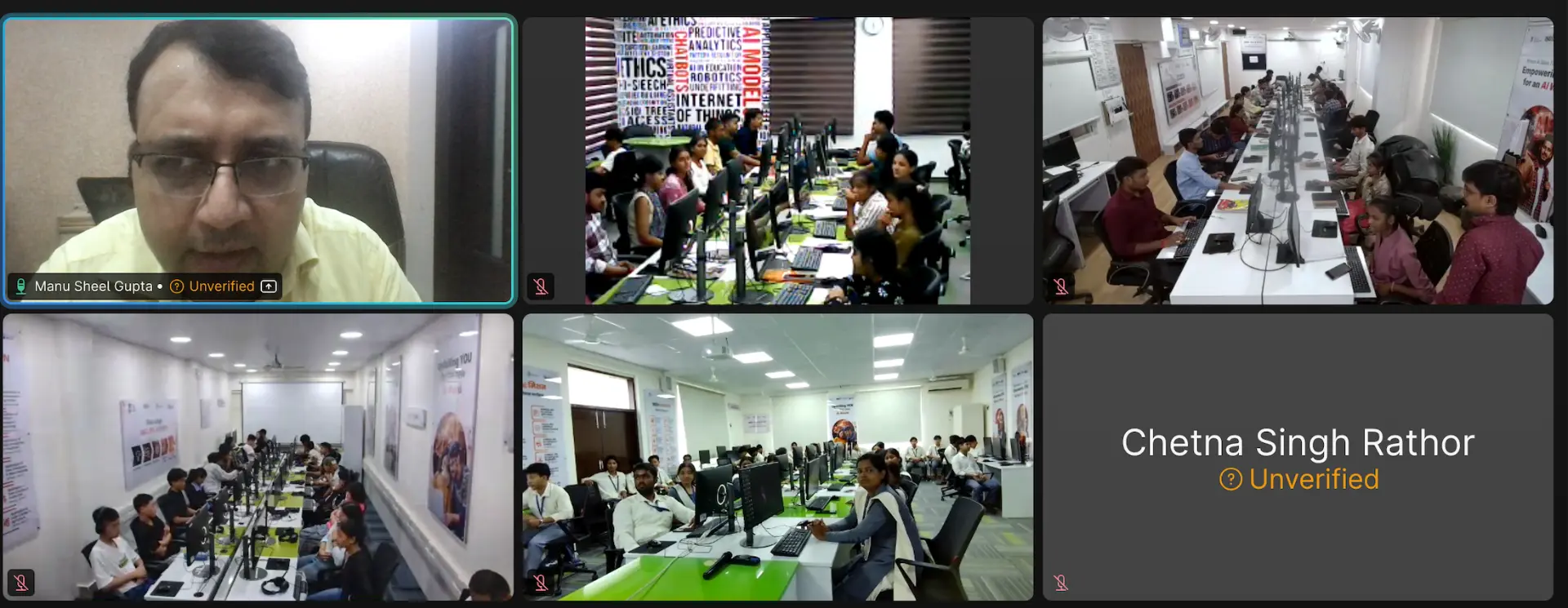
Four additional two-hour workshops delivered in collaboration with MeitY's India AI Mission as part of Road to Devcon. Every session keeps LeakDetect AI as the central theme: building, curating and annotating the datasets that power leakage detection across Ethereum.


LeakDetect AI brings together security research that is often fragmented across Ethereum's application, wallet, agent and networking layers.
The hub gives Devcon attendees an opportunity to move beyond purely smart-contract-centric security and examine how privacy leakage, insecure communication, P2P attacks and cryptographic assumptions interact across the complete Ethereum stack. By combining real-world datasets, hands-on threat modelling, network measurement with Luminar, libp2p engineering and post-quantum research, the hub creates a practical environment where researchers and builders can identify vulnerabilities, test defensive approaches and develop ideas that continue beyond Devcon.